Planning a Jaipur 2 day itinerary? Jaipur, the Pink City of Rajasthan, is one of India’s most fascinating destinations, famous for its magnificent forts, royal palaces, colourful markets and rich cultural heritage.
Jaipur, popularly known as the Pink City, is one of India’s most fascinating destinations. As the capital of Rajasthan, it is famous for its magnificent forts, royal palaces, traditional markets, colourful culture and delicious Rajasthani cuisine.
If you are visiting Jaipur for the first time, two days are enough to experience many of the city’s major attractions without rushing through every stop. This itinerary will help you plan your time, understand what to see each day and make the most of your visit.
Whether you are travelling from the United States, the United Kingdom, Europe or another part of India, this guide will help you explore Jaipur comfortably.
Is Two Days Enough to Explore Jaipur?
Yes. Two days give first-time visitors a good introduction to Jaipur’s history, architecture, food and local culture.
You can explore the major attractions, including Amber Fort, Hawa Mahal, City Palace and Jantar Mantar, while also enjoying traditional markets and local food.
If you have additional time, you can extend your trip to nearby destinations such as Ajmer and Pushkar.
Day 1: Explore Jaipur’s Royal Heritage
1. Amber Fort
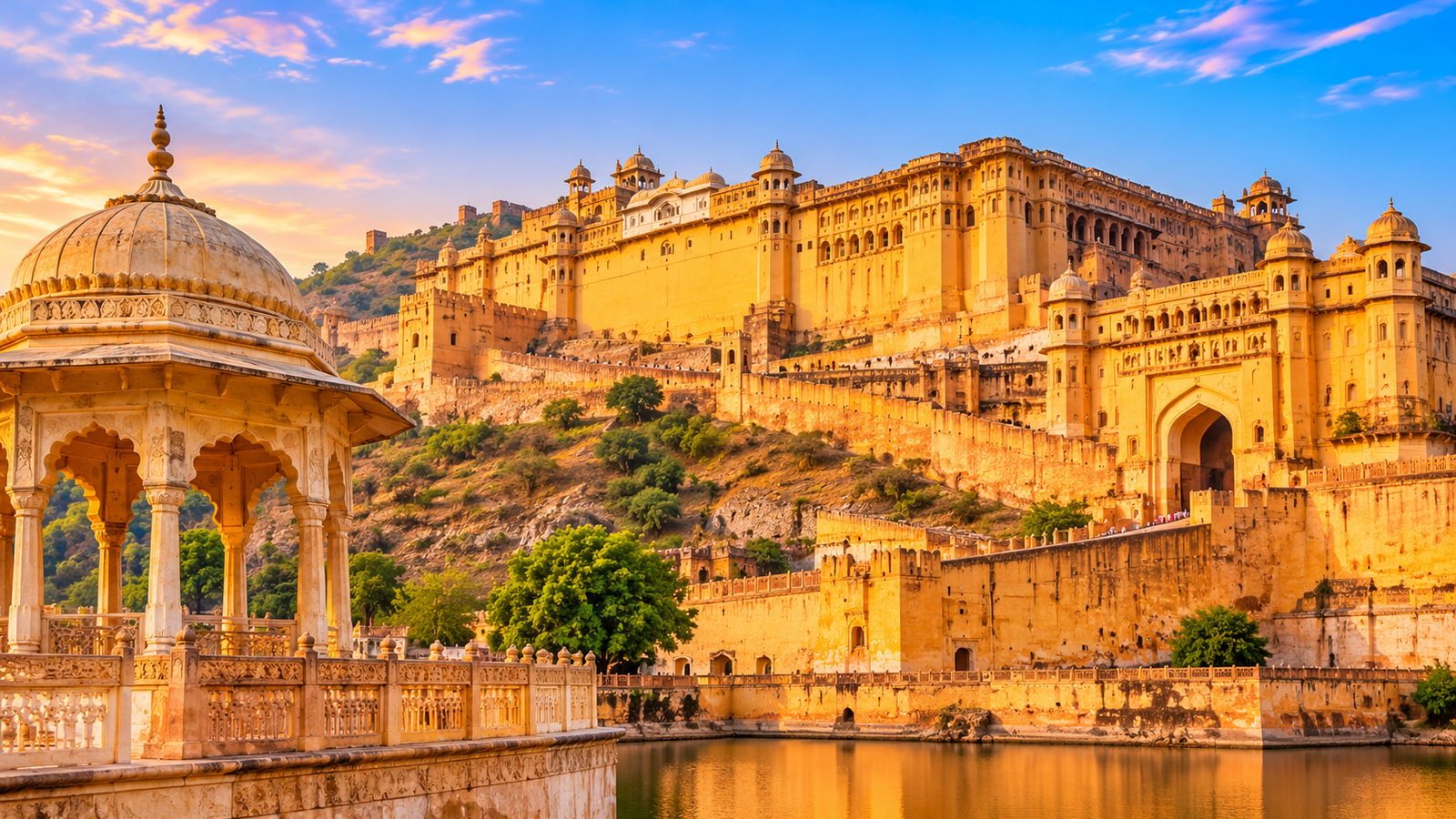
Begin your first day with Amber Fort, one of Jaipur’s most impressive historical landmarks. Located on a hill overlooking Maota Lake, the fort is known for its grand courtyards, artistic gateways, detailed mirror work and beautiful Rajput architecture.
Allow around 2–3 hours to explore the complex.
Travel tip: Visit early in the morning to enjoy cooler weather and avoid some of the busiest hours. Wear comfortable walking shoes because the fort has uneven paths and steps.
2. Panna Meena ka Kund
A short drive from Amber Fort takes you to Panna Meena ka Kund, a historic stepwell known for its symmetrical staircases and geometric design.
It is an interesting stop for architecture lovers and photography enthusiasts. Please respect local access rules and safety instructions when visiting.
3. Jal Mahal
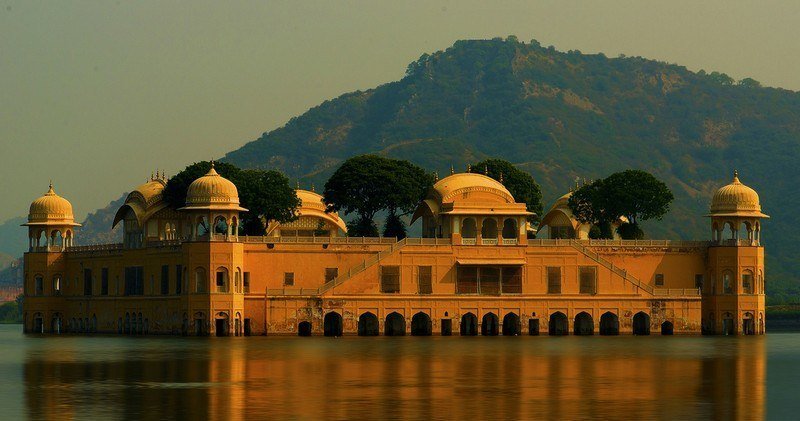
Continue towards Jal Mahal, the beautiful Water Palace situated in the middle of Man Sagar Lake.
The palace creates a striking view against the surrounding hills. Visitors generally admire it from the lakeside promenade, as public access inside the palace is restricted.
Spend around 20–30 minutes enjoying the view and taking photographs.
4. Hawa Mahal
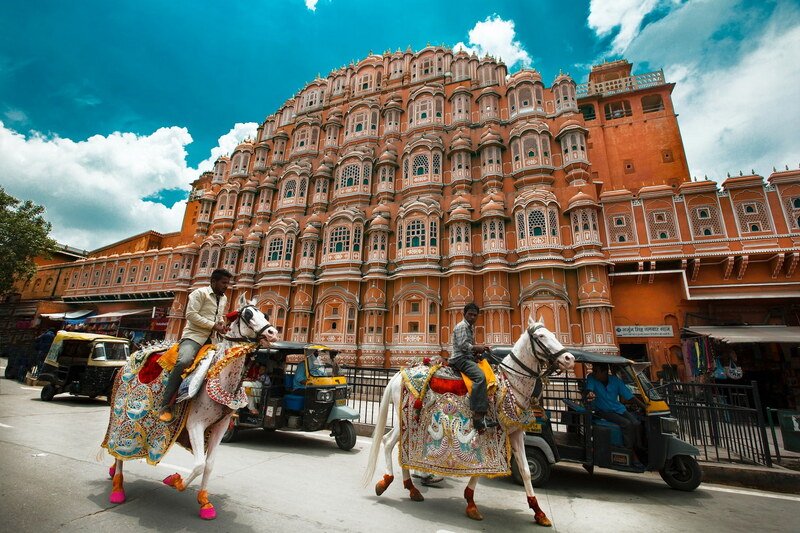
In the afternoon, visit Hawa Mahal, one of Jaipur’s most recognisable monuments.
Built in 1799, this five-storey palace is famous for its honeycomb-like façade and numerous small windows. Its design allowed royal women to observe everyday street life while maintaining privacy.
The exterior is especially beautiful in the morning light, but the monument is worth visiting at different times of the day too.
5. City Palace
Explore the City Palace, a historic royal complex located in the heart of Jaipur’s old city.
The palace features impressive courtyards, decorated gateways, museums and examples of royal architecture. It offers a closer look at Jaipur’s royal history and traditions.
Check current visiting hours and ticket options before your visit.
6. Jantar Mantar
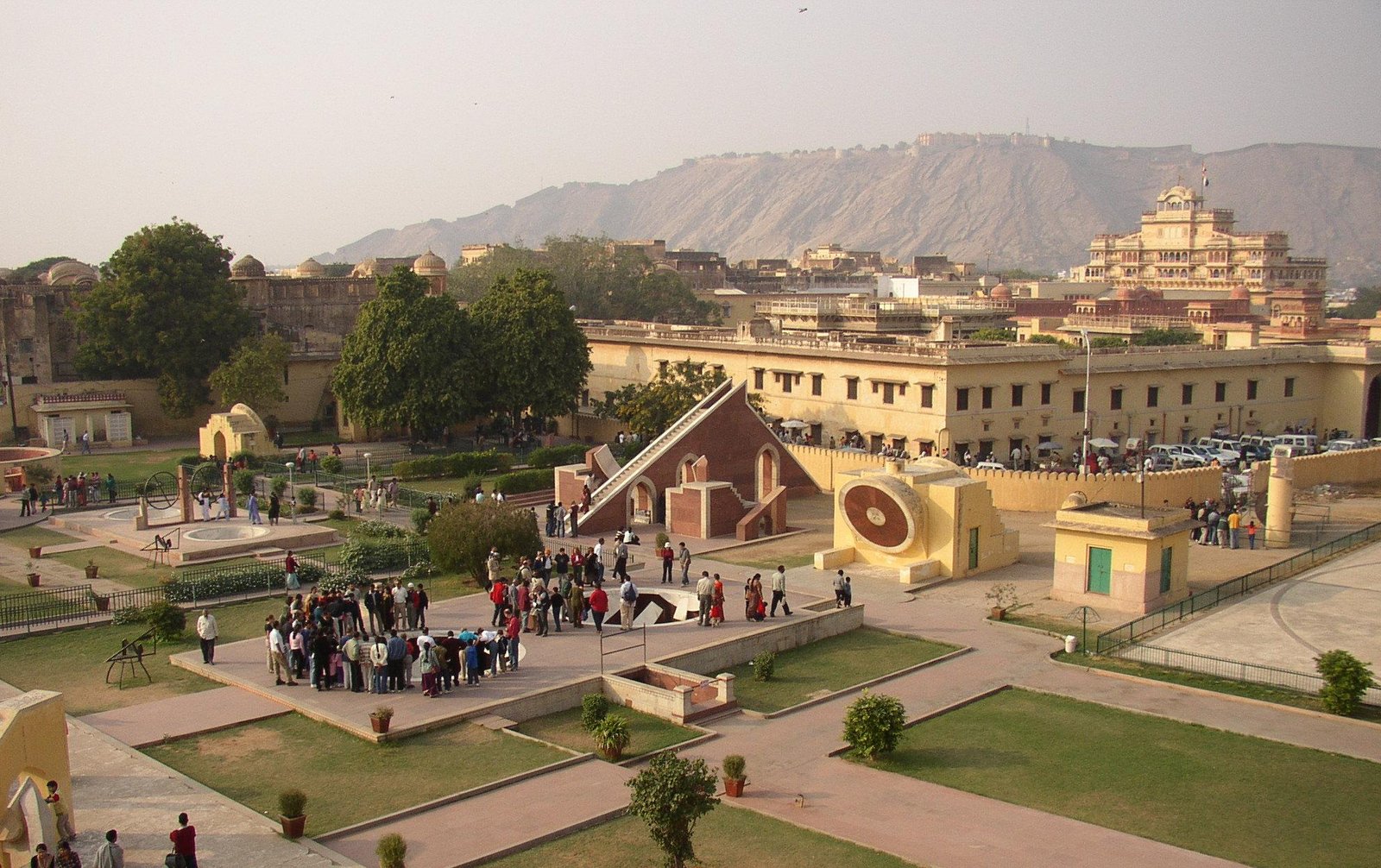
Located close to City Palace, Jantar Mantar is an extraordinary collection of astronomical instruments built by Maharaja Sawai Jai Singh II.
The observatory demonstrates how astronomical observations were made using large-scale instruments. It is a UNESCO World Heritage Site and an interesting destination for visitors interested in science, history and architecture.
Evening: Explore Jaipur’s Local Markets
End your first day by exploring Jaipur’s colourful markets.
Some popular shopping areas include:
- Johari Bazaar: Known for jewellery and traditional ornaments.
- Bapu Bazaar: Popular for textiles, footwear, handicrafts and souvenirs.
- Tripolia Bazaar: Known for traditional lac bangles and other local products.
You can also enjoy traditional Rajasthani food at a local restaurant.
Day 2: Culture, Architecture and Local Experiences
1. Albert Hall Museum
Start your second day at Albert Hall Museum, one of the city’s important cultural attractions.
The museum is housed in an impressive Indo-Saracenic-style building and displays collections of art, decorative objects, textiles and historical artefacts.
Allow approximately 1–2 hours, depending on your interest.
2. Birla Mandir
Next, visit Birla Mandir, a beautiful white marble temple dedicated to Lord Vishnu and Goddess Lakshmi.
The temple is known for its peaceful atmosphere, detailed marble carvings and attractive architecture.
Visitors should follow the temple’s rules regarding footwear, photography and respectful behaviour.
3. Gaitore Ki Chhatriyan
Gaitore is a royal cremation ground featuring beautifully carved cenotaphs built in memory of Jaipur’s former rulers.
The intricate stonework and peaceful surroundings make it an interesting heritage stop for travellers who want to discover a lesser-known part of Jaipur’s royal history.
4. Nahargarh Fort
Visit Nahargarh Fort, situated in the Aravalli hills overlooking Jaipur.
The fort is known for its panoramic views of the city, historic architecture and beautiful surroundings. It is particularly popular around sunset, when the city begins to light up.
Plan enough time for the drive and exploration, especially during busy periods.
5. Explore Rajasthani Food
No Jaipur trip is complete without trying local food.
Some dishes worth experiencing include:
- Dal Baati Churma: A traditional Rajasthani combination of lentils, baked wheat balls and sweet churma.
- Gatte ki Sabzi: Gram-flour dumplings cooked in a spiced yoghurt-based gravy.
- Pyaaz Kachori: A popular savoury snack filled with spiced onion.
- Ghewar: A traditional Rajasthani sweet, especially popular during festivals.
- Ker Sangri: A traditional desert dish prepared with local beans and berries.
If you prefer vegetarian food, Jaipur offers plenty of traditional options.
Suggested Two-Day Jaipur Itinerary at a Glance
| Day | Places to Visit |
|---|---|
| Day 1 | Amber Fort, Panna Meena ka Kund, Jal Mahal, Hawa Mahal, City Palace, Jantar Mantar and local markets |
| Day 2 | Albert Hall Museum, Birla Mandir, Gaitore, Nahargarh Fort and Rajasthani food experiences |
This itinerary can be adjusted according to your hotel location, interests, traffic conditions and the opening hours of individual attractions.
How to Travel Around Jaipur
Jaipur has several transport options, including taxis, app-based cabs, auto-rickshaws and local buses.
For a two-day sightseeing trip, a private car with a driver can make travelling between attractions more convenient. It gives you flexibility to adjust your schedule, spend more time at places you enjoy and avoid arranging separate transport for every stop.
International visitors who are unfamiliar with local routes may also find a pre-arranged private tour helpful.
You can explore private sightseeing and travel options through Gotripee Tours at www.gotripee.com.
Best Time to Visit Jaipur
The most comfortable months for sightseeing are generally October to March, when daytime temperatures are usually more pleasant.
- October to March: Suitable for sightseeing and outdoor exploration.
- April to June: Summers can be extremely hot, so plan outdoor visits early in the morning.
- July to September: Monsoon brings occasional rainfall and greener surroundings, although weather conditions can affect travel plans.
If you are visiting during a major festival or holiday period, book accommodation and transport in advance.
Practical Travel Tips for First-Time Visitors
- Start sightseeing early to make the most of your day.
- Wear comfortable walking shoes, especially at forts and heritage sites.
- Carry drinking water and sun protection.
- Check official attraction timings and ticket information before travelling.
- Use authorised guides where you want detailed historical explanations.
- Ask permission before photographing people.
- Keep some cash for small purchases, while using secure digital or card payment options where available.
- Respect local customs at temples and religious sites.
- Allow extra time for traffic, particularly around the old city.
- Keep your belongings secure in crowded markets.
Frequently Asked Questions
1. Can I explore Jaipur in two days?
Yes. Two days are enough to visit many of Jaipur’s major attractions, including Amber Fort, Hawa Mahal, City Palace, Jantar Mantar and Nahargarh Fort.
2. What is the best month to visit Jaipur?
October to March is generally considered a comfortable period for sightseeing because temperatures are usually more pleasant than during summer.
3. Is Jaipur suitable for international tourists?
Yes. Jaipur is a popular destination for international visitors. Travellers can explore its heritage sites, markets, food and cultural experiences. As with any destination, use sensible precautions and plan transport and accommodation in advance.
4. What should I wear when visiting Jaipur?
Comfortable, breathable clothing and walking shoes are recommended. When visiting temples, choose modest clothing and follow local customs.
5. Is a private car useful for Jaipur sightseeing?
A private car with a driver can be convenient for covering multiple attractions over two days, particularly if you want a flexible schedule.
6. What food should I try in Jaipur?
Try Dal Baati Churma, Gatte ki Sabzi, Pyaaz Kachori, Ghewar and other traditional Rajasthani dishes.
Final Thoughts
Jaipur is more than a city of forts and palaces. It is a destination where royal history, colourful markets, traditional food and everyday local culture come together.
With two well-planned days, first-time visitors can experience the city’s most famous landmarks and discover the spirit of Rajasthan.
Plan your journey at a comfortable pace, leave time for local experiences and enjoy discovering the Pink City.
Planning your Jaipur trip? Explore private tours, sightseeing experiences and travel services with Gotripee Tours and make your Rajasthan journey memorable.