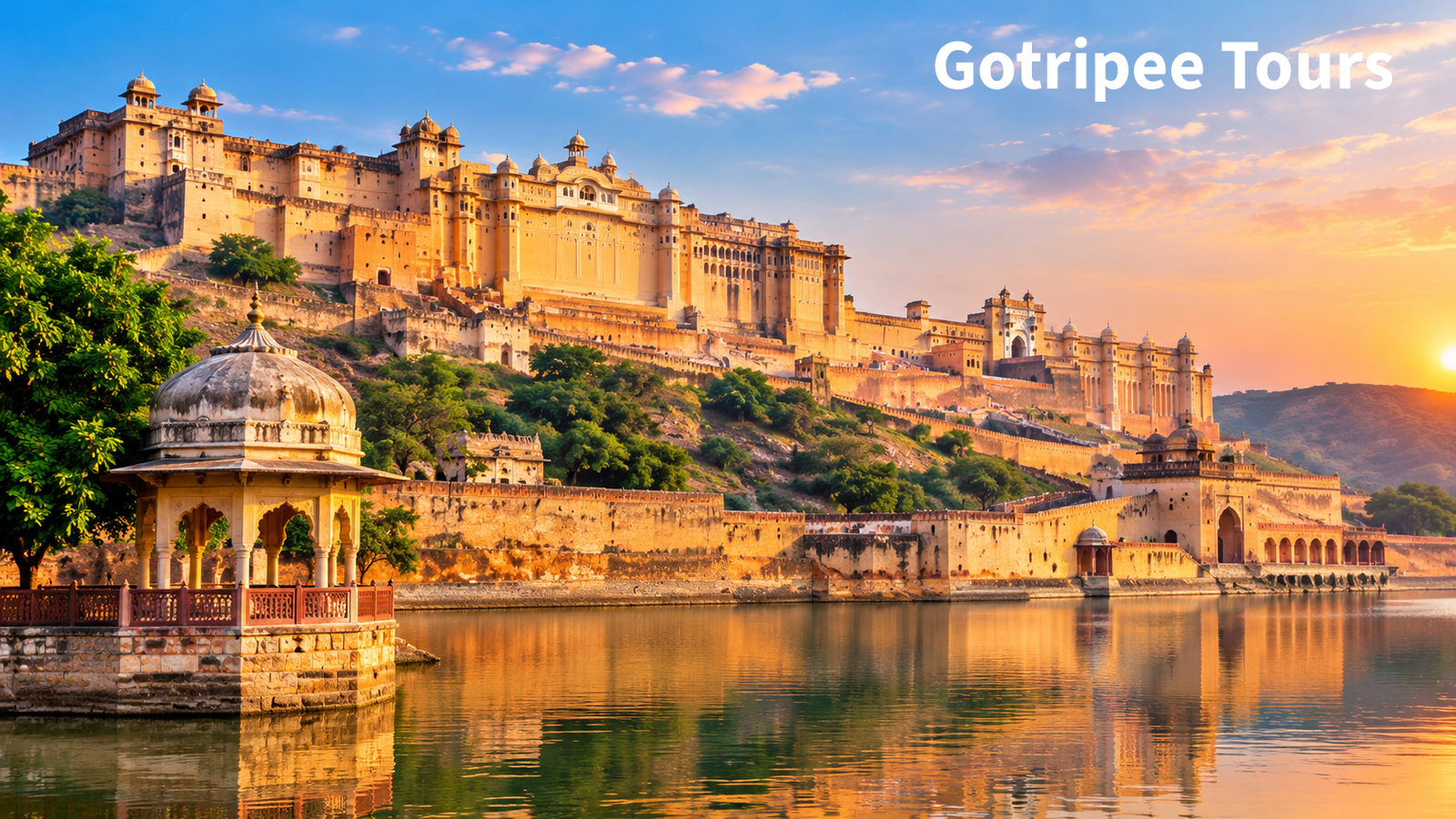
Planning a trip to Jaipur, India? Discover the 15 best places to visit in Jaipur, from magnificent royal palaces and historic forts to colourful markets, beautiful temples and hidden architectural gems. This complete Jaipur travel guide will help you plan your visit, explore the city’s rich heritage and experience the unforgettable charm of Rajasthan.
Known as the Pink City of India, Jaipur is one of the country’s most fascinating destinations. Located in the northwestern state of Rajasthan, the city offers a remarkable combination of royal history, traditional architecture, local food, colourful bazaars and warm hospitality.
Whether you are travelling from the United States, the United Kingdom, Canada, Germany or another European country, Jaipur deserves a place on your India itinerary.
If you are visiting India for the first time, Jaipur is also an excellent destination for discovering Indian culture, exploring historic monuments and experiencing traditional Rajasthani life.
In this guide, you will discover the best places to visit in Jaipur, how to plan your sightseeing, the best time to travel and practical tips for making the most of your trip.
Quick Guide: Visiting Jaipur
- Best time to visit: October to March for generally more comfortable sightseeing weather.
- Recommended stay: 2–3 days.
- Ideal for: History lovers, photographers, couples, families, culture enthusiasts and first-time visitors to India.
- Famous for: Pink architecture, royal palaces, historic forts, handicrafts and Rajasthani cuisine.
- Getting around: Private car with driver, taxi, auto-rickshaw and local public transport.
- Nearest major airport: Jaipur International Airport.
- Popular travel combination: Delhi, Jaipur and Agra—the classic Golden Triangle route.
Opening hours, entry fees and transport arrangements can change. Check official information before visiting individual attractions.
1. Amber Fort (Amer Fort)
Best for: Royal history, architecture and photography
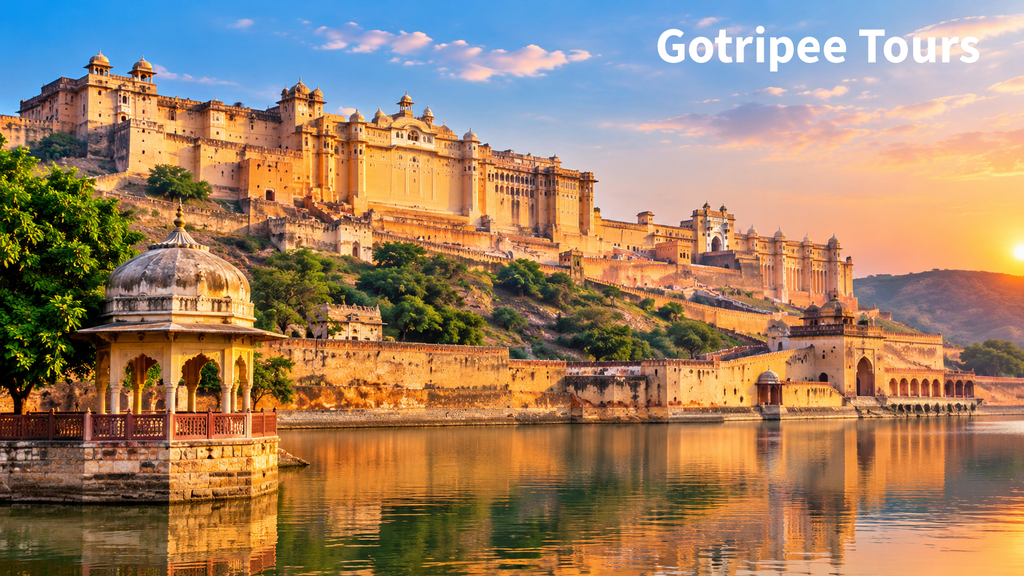
Amber Fort, also known as Amer Fort, is one of Jaipur’s most impressive historical attractions. Located in the hills outside the main city, this magnificent complex combines Rajput architecture, artistic decoration and dramatic views of the surrounding landscape.
Built using sandstone and marble, the fort contains grand courtyards, ornate gateways, royal halls and beautifully decorated interiors.
One of its most famous attractions is the Sheesh Mahal, or Mirror Palace, where intricate mirror work creates a striking visual effect.
Visitors can also explore the fort’s historic courtyards and learn about the rulers who once governed this region.
What to see at Amber Fort
- Sheesh Mahal and its decorative mirror work.
- Diwan-i-Aam, the Hall of Public Audience.
- Historic courtyards and gateways.
- Royal architecture and traditional decorative details.
- Views of Maota Lake and the surrounding hills.
Travel tip
Arrive early to explore the complex before the busiest part of the day. The fort involves walking, uneven surfaces and steps, so comfortable footwear is recommended.
Allow approximately 2–3 hours for your visit.
Location: Amer, approximately 11 km from central Jaipur, depending on your starting point.
2. Hawa Mahal (Palace of Winds)
Best for: Iconic photography and traditional architecture
Hawa Mahal is one of India’s most recognisable landmarks. Its distinctive pink façade, decorated with numerous small windows, has become a symbol of Jaipur.
Built in 1799, the five-storey structure was designed to allow royal women to observe everyday life and public processions on the streets below while maintaining their privacy.
The building’s honeycomb-like appearance makes it particularly attractive to photographers and architecture enthusiasts.
Although many visitors admire Hawa Mahal from the street, entering the building offers another perspective on its design and the surrounding old city.
What to experience
- Photograph the famous pink façade.
- Explore the interior corridors and windows.
- Discover traditional Rajput architectural details.
- Visit nearby cafés with views of the monument.
- Explore the surrounding historic streets and markets.
Travel tip
For an excellent photograph of the exterior, consider visiting in the morning when the changing light can bring out the building’s pink and reddish tones.
Allow approximately 45–90 minutes, depending on whether you enter the monument.
Location: Badi Chaupar area, Jaipur Old City.
3. City Palace Jaipur
Best for: Royal heritage, museums and cultural history
Located in the heart of Jaipur’s historic walled city, City Palace offers a fascinating introduction to the region’s royal history.
The palace complex includes courtyards, ornate gateways, galleries and museum spaces that display historical objects, textiles, artworks and royal memorabilia.
Its architecture reflects a blend of Rajput, Mughal and other artistic influences.
One of the most photographed areas is the Pritam Niwas Chowk, known for its beautifully decorated seasonal gateways.
City Palace remains associated with Jaipur’s royal family, and access to certain areas may depend on the ticket purchased.
Highlights
- Pritam Niwas Chowk and its decorated gateways.
- Mubarak Mahal and museum displays.
- Historic courtyards and architectural details.
- Traditional clothing, objects and royal collections.
- Opportunities to learn about Jaipur’s royal traditions.
Travel tip
If you enjoy history, consider hiring a licensed guide or using an available audio guide. The stories behind the architecture and museum collections can make the visit much more meaningful.
Allow 1.5–3 hours, depending on the areas you plan to explore.
Location: Near Hawa Mahal and Jantar Mantar in the Old City.
4. Jantar Mantar
Best for: Science, astronomy and UNESCO World Heritage
Jantar Mantar is a remarkable astronomical observatory built under the direction of Maharaja Sawai Jai Singh II.
Recognised as a UNESCO World Heritage Site, it contains a collection of large astronomical instruments designed to observe celestial movements and measure time.
The structures may look like abstract sculptures at first, but each has a specific scientific purpose.
For international visitors interested in science, mathematics, architecture or history, Jantar Mantar provides a unique experience.
What makes it special?
- Monumental instruments used for astronomical observations.
- Historical methods of measuring time.
- Connections between traditional Indian astronomy and architecture.
- An opportunity to explore an important scientific heritage site.
Travel tip
Consider visiting with a knowledgeable guide who can explain how the instruments worked. Without an explanation, some of the structures may be difficult to understand.
Allow approximately 45–90 minutes.
Location: Next to City Palace, Jaipur Old City.
5. Nahargarh Fort
Best for: Sunset views and panoramic photography
Nahargarh Fort stands on the hills overlooking Jaipur and offers impressive views of the city.
Originally associated with Jaipur’s defensive system, the fort is now a popular destination for visitors who want to experience the landscape surrounding the Pink City.
The hilltop setting provides a different perspective from the crowded streets and historic markets below.
It is particularly attractive to photographers and travellers who enjoy scenic viewpoints.
Things to do
- Explore the historic fort complex.
- Enjoy panoramic views of Jaipur.
- Photograph the surrounding hills and cityscape.
- Learn about the fort’s historical role.
- Experience the atmosphere of Jaipur from above.
Travel tip
Late afternoon can be a pleasant time to visit, particularly during cooler months. However, allow enough time to reach the fort and leave before your preferred transport options become limited.
Check the official opening hours before planning a sunset visit.
Allow approximately 1.5–2 hours.
Location: The hills overlooking Jaipur.
6. Jaigarh Fort
Best for: Military history and historic engineering
Jaigarh Fort is another impressive hilltop fort in the Amer area. Unlike the more palace-focused attractions, Jaigarh is particularly interesting for travellers who want to understand Rajasthan’s military history.
Its substantial defensive structures, historic buildings and strategic location reveal how rulers protected the region.
The fort is also known for Jaivana, a famous historic cannon associated with the site.
What to explore
- Defensive walls and fortifications.
- Historic courtyards and buildings.
- Military artefacts and engineering features.
- Views of the surrounding hills.
- The relationship between Jaigarh Fort and nearby Amber Fort.
Travel tip
Jaigarh and Amber Fort are often combined in the same day’s itinerary because they are located in the same general area.
However, both involve walking and may require more time than expected. Plan your schedule accordingly.
Allow approximately 1–2 hours.
Location: Near Amber Fort, on the hills above Amer.
7. Jal Mahal (Water Palace)
Best for: Scenic photography and peaceful views
Jal Mahal is a beautiful palace situated in the middle of Man Sagar Lake.
Its setting against the Aravalli hills makes it one of Jaipur’s most picturesque landmarks. From the lakeside, visitors can admire the palace’s architectural profile reflected in the water when conditions are suitable.
The building is especially attractive to photographers who want a different kind of image from Jaipur’s busy forts and markets.
What to experience
- Photograph the palace from the lakeside.
- Enjoy the landscape around Man Sagar Lake.
- Observe the changing colours of the water and surrounding hills.
- Combine the stop with a visit to Amber Fort.
Travel tip
Jal Mahal is generally best treated as a viewpoint rather than a conventional palace visit. Do not assume that entry inside the building is permitted.
Allow approximately 20–40 minutes for photographs and a short stop.
Location: Amer Road, between the Old City and Amber Fort.
8. Albert Hall Museum
Best for: Art, history and museum enthusiasts
Albert Hall Museum is one of Jaipur’s most important museums. Located in Ram Niwas Garden, its distinctive architecture is an attraction in itself.
The museum’s collections include decorative arts, historical objects, paintings, textiles and other exhibits that help visitors understand the region’s cultural heritage.
It is a useful stop for travellers who want to explore more than palaces and forts.
Highlights
- The museum’s ornate exterior architecture.
- Historical and decorative-art collections.
- Objects reflecting regional artistic traditions.
- The surrounding gardens and public spaces.
Travel tip
Check the museum’s current opening hours and photography rules before visiting. If museums are a priority, plan enough time to explore the galleries instead of treating it as a quick photo stop.
Allow approximately 1–2 hours.
Location: Ram Niwas Garden, Jaipur.
9. Patrika Gate
Best for Colourful Photography and Architectural Details
Patrika Gate has become a popular photography location in Jaipur thanks to its colourful painted arches and decorative artwork.
The structure celebrates aspects of Rajasthan’s architecture, landscapes, traditions and cultural identity through intricate designs and vivid colours.
Unlike the city’s older royal monuments, Patrika Gate offers a more contemporary setting for visitors who want colourful travel photographs.
What to see
- Decorated arches and painted details.
- Traditional patterns and colourful artwork.
- Symmetrical architectural perspectives.
- The surrounding Jawahar Circle area.
Travel tip
Visit early in the morning if you want to take photographs with fewer people in the background.
As with any public attraction, be considerate of other visitors and follow any local photography restrictions.
Allow approximately 20–45 minutes.
Location: Jawahar Circle area, near Jaipur International Airport.
10. Panna Meena ka Kund
Best for Stepwell Architecture and Hidden Heritage
Panna Meena ka Kund is a historic stepwell located near Amber Fort.
Stepwells are traditional water structures designed to provide access to stored water through a series of descending steps. In Rajasthan, they also reflect the architectural creativity developed in response to the region’s climate.
Panna Meena ka Kund is particularly notable for its geometric arrangement of steps and symmetrical appearance.
For travellers interested in photography, traditional engineering and lesser-known historical places, this stepwell offers an interesting alternative to Jaipur’s larger monuments.
What makes it worth visiting?
- Geometric staircases and architectural symmetry.
- Traditional water-management heritage.
- A quieter historical setting near Amer.
- Opportunities to learn about Rajasthan’s relationship with water.
Travel tip
Access arrangements and rules can vary. Follow signs and instructions from local authorities, and do not climb into restricted areas simply to recreate a photograph.
Allow approximately 20–40 minutes.
Location: Near Amber Fort, Amer.
11. Galtaji Temple (Monkey Temple)
Best for Spiritual Heritage and Scenic Surroundings
Galtaji is a historic temple complex located among the hills outside Jaipur.
The site includes temples, water tanks and traditional structures set within a landscape that feels different from the busy city centre.
Visitors may encounter monkeys in the area, which is why the site is often informally called the Monkey Temple.
Galtaji can be particularly interesting for travellers who want to explore religious architecture and learn about the spiritual traditions of Rajasthan.
What to experience
- Traditional temple architecture.
- Historic water tanks and courtyards.
- The natural surroundings of the hills.
- Insights into local religious customs.
Travel tips
Dress respectfully, particularly when entering active places of worship.
Avoid feeding or approaching monkeys, and keep food and personal belongings secured.
Check local access conditions before travelling, especially during festivals or periods of heavy rainfall.
Allow approximately 1–1.5 hours.
Location: The Galta area, in the hills east of Jaipur.
12. Birla Mandir
Best for Peaceful Surroundings and Religious Architecture
Birla Mandir, also known as the Laxmi Narayan Temple, is a prominent white-marble temple in Jaipur.
Its detailed stonework, elegant pillars and peaceful surroundings make it a worthwhile stop for travellers interested in Indian religious architecture.
The temple provides a contrast to the city’s sandstone forts and pink historic buildings.
Visitors can appreciate the craftsmanship while learning about the importance of religious traditions in everyday life.
What to know before visiting
- Dress modestly and respectfully.
- Follow the temple’s photography rules.
- Observe any instructions regarding footwear.
- Be mindful of worshippers and ongoing religious activities.
Travel tip
The temple can be a pleasant addition to a late-afternoon or evening itinerary, but check the current visiting hours before arriving.
Allow approximately 30–60 minutes.
Location: Near Moti Dungri, Jaipur.
13. Johari Bazaar and Bapu Bazaar
Best for Shopping, Textiles and Local Culture
Jaipur’s traditional markets are an essential part of the city’s character.
Johari Bazaar is known for jewellery and gemstone-related shops, while Bapu Bazaar is popular for textiles, clothing, footwear and souvenirs.
These markets allow visitors to experience a side of Jaipur that cannot be fully understood by visiting monuments alone.
The colourful shops, traditional goods and busy streets create an atmosphere that is especially appealing to travellers who enjoy discovering local craftsmanship.
What to look for
- Traditional textiles and printed fabrics.
- Jewellery and decorative accessories.
- Leather footwear and embroidered products.
- Handicrafts and souvenirs.
- Local snacks and street scenes.
Shopping tips for international visitors
- Compare prices at more than one shop.
- Ask about materials and product origins.
- Confirm the final price before completing a purchase.
- Request a receipt for valuable items.
- For gemstones, seek reputable sellers and independent documentation when appropriate.
Not every product described as handmade, natural or locally produced can be independently verified. Ask questions before making an expensive purchase.
Allow 1–2 hours, or longer if you enjoy shopping.
Location: Jaipur’s historic walled city.
14. Sisodia Rani Garden
Best for Gardens, Photography and a Quieter Experience
Sisodia Rani Garden offers a more relaxed experience than Jaipur’s major forts and palaces.
The historic garden is associated with the royal landscape traditions of the region. Its landscaped areas, decorative features and traditional design make it an appealing stop for visitors who enjoy gardens and outdoor spaces.
It can be a welcome addition to an itinerary that already includes several busy attractions.
Why visit?
- Enjoy a different side of Jaipur’s royal heritage.
- Explore landscaped garden spaces.
- Photograph decorative architectural details.
- Take a break from the busier city centre.
Travel tip
The experience depends on the season, maintenance and current access conditions. Check opening information before visiting and avoid the hottest part of the day during warmer months.
Allow approximately 30–60 minutes.
Location: On the outskirts of Jaipur, towards the Agra Road side.
15. Govind Dev Ji Temple
Best for Spiritual Culture and Local Traditions
Govind Dev Ji Temple is one of Jaipur’s significant religious destinations and an important place of worship for devotees of Lord Krishna.
Located within the historic City Palace area, the temple provides an opportunity to observe the city’s living spiritual traditions.
For international visitors, it can be an interesting way to understand how religious practice remains connected to everyday life in Rajasthan.
What to experience
- Traditional temple architecture.
- The atmosphere of devotional worship.
- Local religious customs and traditions.
- The relationship between Jaipur’s royal history and its spiritual heritage.
Travel tips
Temple schedules can vary, and the complex may become particularly busy during festivals and special prayer times.
Dress respectfully, follow instructions from temple staff and avoid photographing people without permission.
Allow approximately 30–60 minutes, depending on the schedule and crowds.
Location: Near City Palace in Jaipur.
How Many Days Do You Need in Jaipur?
The ideal length of your stay depends on your interests, travel pace and whether Jaipur is part of a larger India trip.
If You Have One Day
Focus on the major highlights:
- Amber Fort.
- Jal Mahal viewpoint.
- City Palace.
- Jantar Mantar.
- Hawa Mahal.
- A short walk through the Old City’s markets, if time allows.
This is a busy itinerary. Starting early and arranging transport in advance can help you make better use of the day.
If You Have Two Days
Day 1: Royal Jaipur
- Amber Fort.
- Jaigarh Fort, if time permits.
- Jal Mahal viewpoint.
- Nahargarh Fort, depending on opening hours and your preferred pace.
Day 2: Historic City and Culture
- Hawa Mahal.
- City Palace.
- Jantar Mantar.
- Albert Hall Museum.
- Johari Bazaar and Bapu Bazaar.
You can replace one of the activities with Patrika Gate, Birla Mandir or another attraction depending on your interests.
If You Have Three Days
Use the first two days to explore the major sights and reserve the third day for a slower experience.
You could visit:
- Panna Meena ka Kund.
- Galtaji Temple.
- Sisodia Rani Garden.
- Patrika Gate.
- Local markets and traditional craft shops.
You can also spend more time exploring Rajasthani food, photography locations and cultural experiences.
Best Time to Visit Jaipur
For many international travellers, October to March is a comfortable period for sightseeing, although temperatures and conditions vary from month to month.
October and November
These months can offer pleasant sightseeing conditions, but daytime temperatures may still be warm. They can also coincide with busy travel periods and festivals.
December and January
Winter mornings and evenings can be cold, while daytime conditions are often more comfortable for exploring monuments. Bring layers, especially if travelling early in the morning.
February and March
These months are often suitable for sightseeing and photography. Temperatures generally begin rising as spring progresses.
April to June
Summer can be extremely hot. Plan outdoor visits early in the morning, carry water and take breaks in shaded or indoor spaces.
July to September
The monsoon season can bring rain, humidity and changes in outdoor conditions. Landscapes may become greener, but travel plans should remain flexible.
Important: Check the weather forecast close to your departure date and plan outdoor activities accordingly.
What Should You Eat in Jaipur?
Jaipur is an excellent destination for discovering the flavours of Rajasthan.
Consider trying these regional dishes:
Dal Baati Churma
A well-known Rajasthani combination of baked wheat dumplings, lentil preparation and a sweet or savoury crushed-wheat dish.
Gatte ki Sabzi
A traditional curry prepared with gram-flour dumplings in a spiced gravy.
Pyaaz Kachori
A savoury pastry filled with a spiced onion mixture, often enjoyed as a snack.
Ghewar
A traditional Rajasthani sweet, particularly associated with festive occasions.
Rajasthani Thali
A meal featuring several regional dishes served together. The selection varies between restaurants.
Food safety tip
Choose food establishments with good hygiene practices. If you have dietary restrictions, allergies or specific food preferences, explain them clearly before ordering.
Travellers who are sensitive to spicy food can ask for a milder preparation.
Practical Travel Tips for Visitors from the USA, UK, Canada and Europe
1. Plan Transport in Advance
Jaipur’s attractions are spread across the city and surrounding hills. A private car with a driver can make it easier to combine several locations in one day.
Auto-rickshaws, taxis and local public transport may also suit particular journeys.
Agree on the fare or confirm the booking price before starting a trip when applicable.
2. Dress for the Weather
Lightweight, breathable clothing is useful during warm weather. Carry layers for winter mornings and evenings.
For temples and other religious places, choose respectful clothing and follow local requirements.
3. Carry Water and Sun Protection
During warmer months, bring drinking water, sunscreen, sunglasses and a hat. Take breaks when necessary.
4. Check Entry Fees and Opening Hours
Ticket prices, access rules and schedules can change. Verify details through official sources before your visit.
Some attractions offer different ticket options, and certain areas may require separate admission.
5. Respect Local Customs
Ask permission before photographing individuals, particularly during religious activities or in sensitive settings.
Follow posted signs and avoid entering restricted areas.
6. Keep Important Belongings Secure
As in any busy tourist destination, remain aware of your surroundings in crowded markets and transport hubs.
Keep your passport and other important documents secure, and use reputable transport and accommodation providers.
7. Consider a Local Guide
A knowledgeable local guide can help explain the history, architecture and cultural significance of the places you visit.
For independent travellers, a guide can also make it easier to understand the context behind monuments that might otherwise appear similar.
Is Jaipur Worth Visiting?
Absolutely—Jaipur offers a combination of royal architecture, historic forts, traditional markets, cultural experiences and regional cuisine that makes it a memorable destination for many types of travellers.
History enthusiasts can explore Amber Fort, City Palace and Jantar Mantar. Photographers can enjoy Hawa Mahal, Jal Mahal and Patrika Gate. Travellers interested in local culture can discover traditional markets, temples and Rajasthani food.
Jaipur is also an important stop on India’s Golden Triangle route, commonly combined with Delhi and Agra.
Whether you have one day or three, thoughtful planning can help you experience more of the city without rushing between attractions.
Explore Jaipur with Gotripee Tours
Want to discover Jaipur without the stress of organising every transfer yourself?
Gotripee Tours can help travellers explore Jaipur and Rajasthan with private transport and tailored sightseeing arrangements.
Depending on your travel plans, you can enquire about:
- Private Jaipur sightseeing.
- Amber Fort and the historic city.
- Jaipur day trips.
- Multi-day Rajasthan journeys.
- Private car and driver arrangements.
- Travel combinations involving Delhi, Agra and Jaipur.
Plan your Jaipur journey with Gotripee Tours.
Visit Gotripee.com to explore available tours and contact the team about your travel requirements.
Please confirm the itinerary, inclusions, availability and final price directly with the tour provider before booking.
Frequently Asked Questions About Jaipur
1. What are the best places to visit in Jaipur for first-time visitors?
Amber Fort, Hawa Mahal, City Palace, Jantar Mantar and Nahargarh Fort are excellent starting points. If you have additional time, consider Jal Mahal, Albert Hall Museum and the traditional markets.
2. Is two days enough to explore Jaipur?
Two days can be enough to see many of Jaipur’s major attractions. A three-day stay allows more time for gardens, temples, shopping and places outside the main city centre.
3. What is the best month to visit Jaipur?
October to March is often a popular period for sightseeing because conditions are generally more comfortable than during the peak summer months. Check the forecast for your specific travel dates.
4. Is Jaipur suitable for a first trip to India?
Jaipur is a popular destination for first-time visitors because it offers historic landmarks, cultural experiences, established tourism services and connections to other major destinations.
As with any international trip, research transport, accommodation, health advice and local conditions before travelling.
5. Can I explore Jaipur in one day?
Yes, but you will need to prioritise. Focus on a few major attractions rather than trying to visit every location on this list.
6. How far is Amber Fort from Jaipur city centre?
Amber Fort is approximately 11 km from central Jaipur, although the actual distance and travel time depend on your starting point and traffic.
7. What should I wear when visiting Jaipur’s temples?
Choose modest, respectful clothing and follow any specific instructions displayed at the temple. Some places may have rules about footwear or photography.
8. Is a private car useful for Jaipur sightseeing?
A private car with a driver can be convenient when visiting several attractions spread across the city and surrounding hills. Compare the itinerary, inclusions, duration and price before booking.
9. What is Jaipur famous for?
Jaipur is famous for its pink-coloured historic architecture, royal palaces, forts, traditional jewellery, textiles, handicrafts and Rajasthani cuisine.
10. Can I combine Jaipur with Delhi and Agra?
Yes. Delhi, Agra and Jaipur are commonly combined into the Golden Triangle travel route. The ideal itinerary depends on your available days, transport preferences and interests.
Final Thoughts
Jaipur is more than a collection of historic monuments. It is a city where royal heritage, traditional craftsmanship, spiritual life and modern Indian culture come together.
From the impressive walls of Amber Fort to the colourful streets around Hawa Mahal, every part of Jaipur offers a different perspective on Rajasthan.
If you are planning a trip to India, save this guide, choose the attractions that interest you most and allow enough time to enjoy the city at your own pace.
Ready to discover the Pink City? Start planning your Jaipur journey with Gotripee Tours.